“I trusted my soul. Trust what you’re thinking. Trust what you’re feeling right now. There is something there.”

She Knew Every Scene. The Story Was Waiting to Be Understood
Filmmaker Elizabeth Blake-Thomas has directed more than 25 feature films, written books, spoken on stages, and built a career after arriving with nothing and knowing no one. But the most important discovery of her life did not happen in front of a camera. It came when a profound loss forced her to ask a different question: Why have I experienced the world this way for so long?
A diagnosis did not change Elizabeth’s past. It changed the meaning of it.
Elizabeth Blake-Thomas
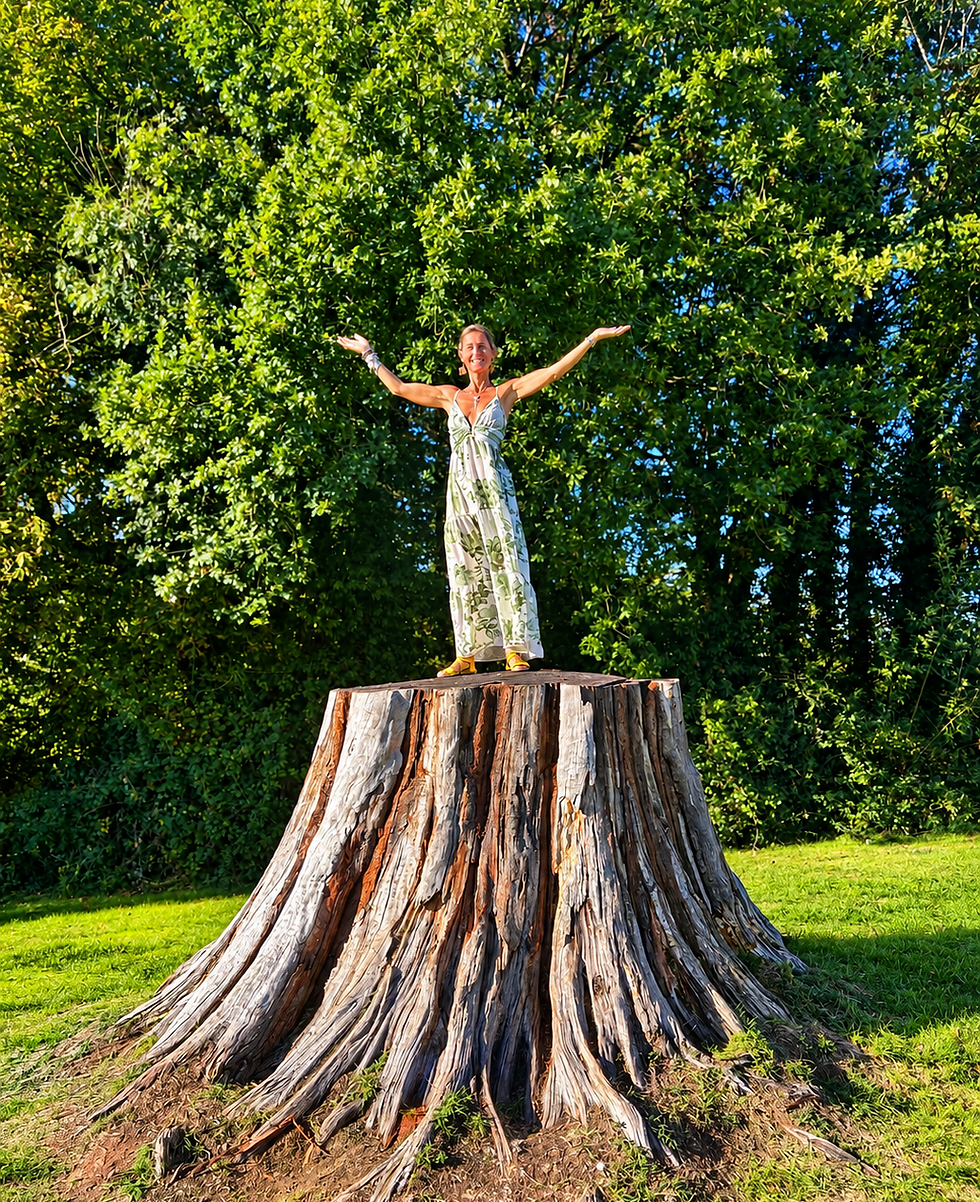
From the outside, Elizabeth Blake-Thomas’s life could easily be written as a story of achievement.
She is a filmmaker, producer, writer, and speaker. She recalls arriving in the United States with nothing and knowing no one, then going on to direct more than 25 feature films. Later, she decided to write a children’s book — and wrote 50 in six months.
But her professional accomplishments are not where the most important part of her story begins. That story begins much earlier — with the feeling that, even when surrounded by people, some part of her remained outside.
The Girl Who Wanted to Bring People Together
As a child, Elizabeth loved musicals. She wanted to inhabit characters and disappear into their worlds. Film gave her a way to create worlds of her own, but when she looks back now, she sees another thread running through the work. She often felt alone. Different. Separate.
“I often felt very much alone and very different.”
And because she knew what separation felt like, she developed an impulse to do the opposite. To connect. “Because I was different and on my own, it felt like I wanted to bring people together.” That may be one of the hidden keys to her creative life.
Sometimes our greatest gift grows around the place where we once felt the greatest absence.
For Elizabeth, creativity was never only a career. It became a way through. When she speaks about surviving difficult periods of her life, she says: “I found a way through them… and that was almost through my creativity.”
“My creativity, I think, has saved me.”
A Different Definition of Success
There is an easy temptation when telling someone’s story: to measure success by what other people can see. Films. Books. Stages. Career milestones. Elizabeth had all of those. But eventually, her definition of success changed.
“Those were the successful moments — because I came back from them.”
Sometimes the achievement is not that you kept climbing. Sometimes it is that you remained.
Elizabeth Blake-Thomas

Her story contains periods in which staying became its own decision. Some of her greatest achievements may never appear on a resume. Success is not always about how far you went. Sometimes success is that you came back.
Then Chai Died
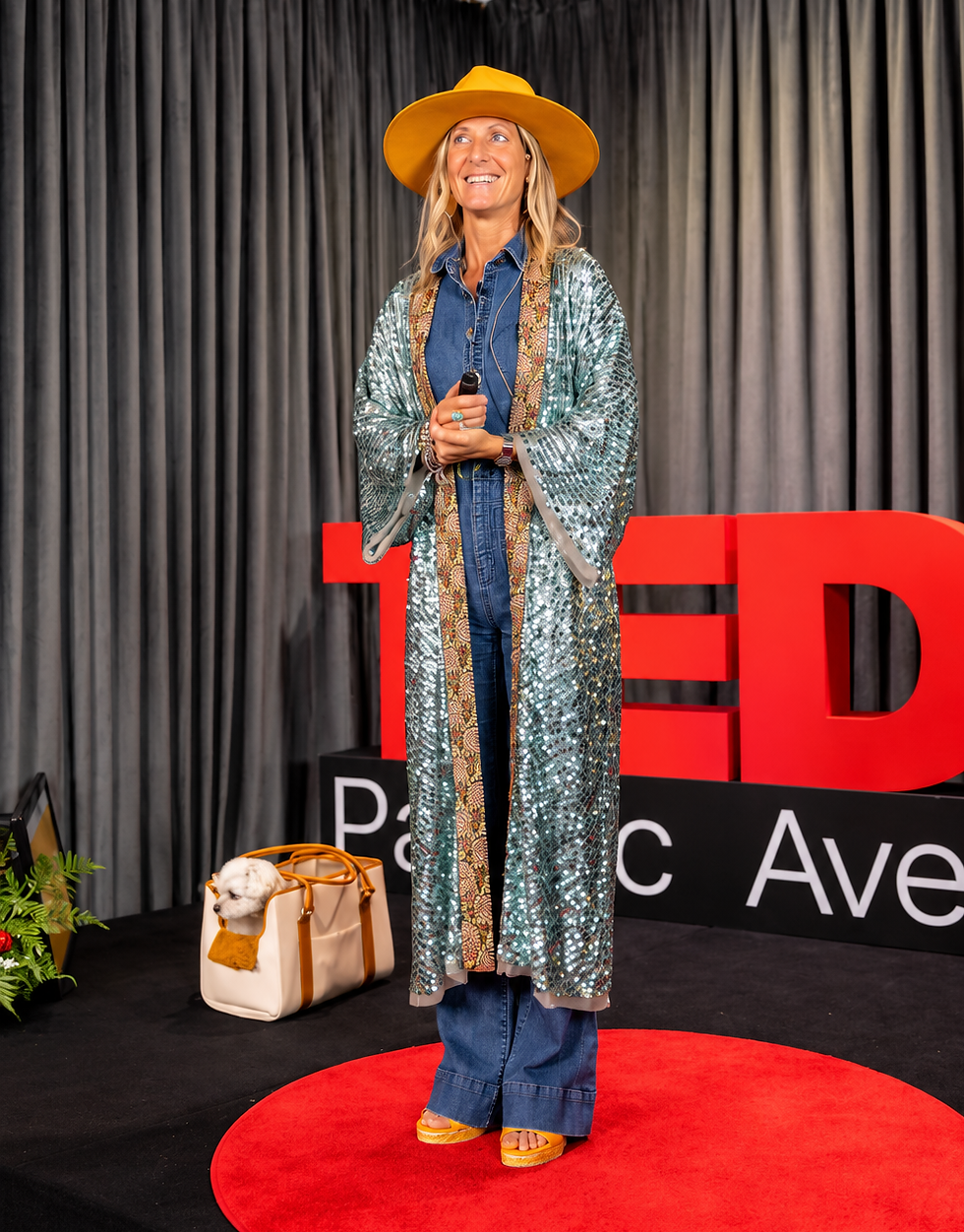
Chai’s death opened the door not only to one grief, but to older losses that had never fully been named. She painted. She wrote. She created poetry. And somewhere in that process, she arrived at one of the most revealing sentences: “I was teaching my seven-year-old self how to grieve.”
“It felt like my heart was ripped out of my body.”
The facts stayed the same. The meaning changed.
The diagnosis did not alter a single event in her past. It altered the meaning assigned to those events. Things that might once have been understood as stubbornness or personal failure could now be revisited from another perspective.
The Word That Sent Her Back Through Her Entire Life
Recognition was not enough. Elizabeth wanted a formal assessment. And beneath that decision was fear: Was I gonna go back to just thinking… I just don’t fit in?
“The day I got those results was my most life-changing day so far. Because it allowed me to look back on everything… that made sense now.”
Sometimes the biggest turning point is not changing your life. It is finally understanding whose life you have been living.
Elizabeth Blake-Thomas
For Elizabeth, optimism is not certainty that everything will turn out well. It is the decision to keep listening to yourself even before you have proof that what you feel can be explained.
After a lifetime of learning how to read rooms, expectations, roles, and other people, perhaps the most important thing she learned was how to read herself.
There was also a distinctly feminine energy in the way she carried that strength — warm, intuitive, open, and quietly assured; a softness that never diminished her power, but seemed to deepen it.
Not because the world suddenly became easier — but because she no longer needed the world to explain her to herself.
“I trusted my soul. Trust what you’re thinking. Trust what you’re feeling right now. There is something there.”
Some answers arrive as conclusions. Others take us back to the beginning and allow us to see the same life differently.
Elizabeth’s story does not end with everything resolved. It ends somewhere more interesting: with a woman who has stopped waiting for someone else to tell her what her own experience means.
The scenes were always hers. Now, the meaning is too.